Search

FREE COUNTRY WIDE SHIPPING ON ORDERS OVER R600

What is a Chemical Peel?

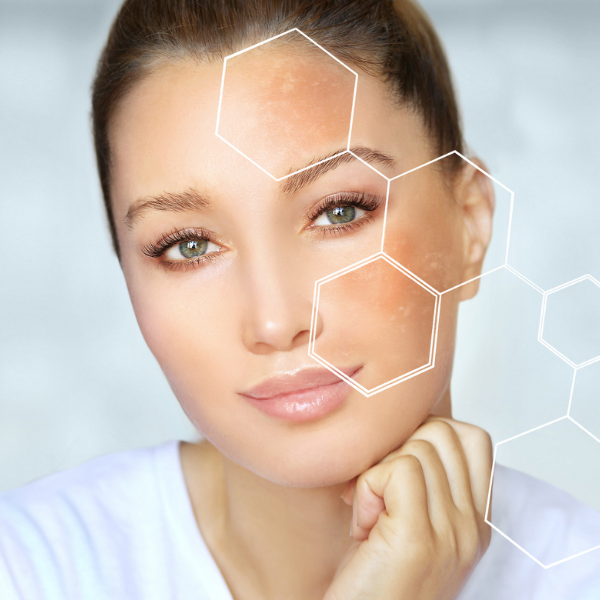
The chemical peel is one of the most honest skincare treatments around. It doesn’t hide behind a fancy name. It is what it says: a chemical solution that harnesses your body’s natural processes of renewal, which can largely be summed up as “removing dead skin cells or discard old skin cells to make space for new ones.” In other words, it causes the skin to peel so that the new skin can grow in its place. So how long does a chemical peel take?

Depending on the treatment, they can take anywhere from 45 min to 75 min.

There are many chemical peel skin benefits. It can help skin with overall texture, it helps to exfoliate the skin, it can treat sun damage and hyper-pigmentation, it helps reduce acne and can even soften fine-lines.

The list goes on so we would rather tell you to come to test it out and you will be happy to see that the chemical peel before and after comparison is amazing. Visit us and experience the difference with a chemical peel.

Chemical Peel Treatments

  • MELINE® MEDICAL GRADE PEEL -Targets hyper-pigmentation, fine lines and wrinkles, as well as acne and acne scarring. The MELINE process includes preparation and peel, followed by specific aftercare products to use at home designed to control pigmentation, decrease melanin production, promote skin cell renewal, improve sun damage, and promote an even skin tone.MELINE® chemical peels provide controlled chemical dermabrasion, exfoliating the top layer of dead skin, resulting in a more even-toned and healthy glowing complexion. The process involves dissolving the bonds between cells in the top layer of your skin, promoting the regeneration of new cells (alleviating the epidermis of dead skin cells). and improving overall skin texture and appearance.

  • ALGAE PEEL- Algae peels offer numerous skin benefits, including improved texture, reduced fine lines and wrinkles, and a more radiant complexion. They also help with sun-damaged skin, stretch marks, and scars, while also promoting blood circulation. Algae peels can also address acne, hyperpigmentation, and premature aging.

  •  GLYCOLIC ACID PEEL- A concentrated glycolic acid formulation that ranges in strength from 20—70% glycolic acid to gently exfoliate layers of the skin. Glycolic peels slough off the surface and middle layers of the skin, removing dead skin cells and other types of debris from the skin and its pores.

  • JESSNER'S PEEL- Light- to medium-depth chemical peel created from a blend of salicylic acid, lactic acid, and resorcinol which all work together to exfoliate the outer layers of the skin. Patients also benefit from the noticeably youthful glowing skin after a Jessner's peel.

  • TRICHLOROACETIC ACID (TCA) - Analogue of acetic acid in which the three hydrogen atoms of the methyl group have all been replaced by chlorine atoms. Salts and esters of trichloroacetic acid are called trichloroacetates

  • LACTIC PEEL - Lactic acid peels offer benefits like gentle exfoliation, improved skin texture, and hydration. They can also help address hyperpigmentation, fine lines, and rough texture. Lactic acid peels are considered gentle and suitable for sensitive or mature skin.

  •  RETINOL- Offers various skin benefits, including reducing wrinkles, acne, and hyperpigmentation, while also brightening the skin and improving overall texture. It works by exfoliating the skin, promoting collagen production, and accelerating cell turnover, leading to smoother, more vibrant, and younger-looking skin. 

  • SALICYLIC ACID - Offers numerous benefits for the skin, particularly for those with acne, oily skin, or clogged pores. It helps unclog pores, reduce inflammation, exfoliate dead skin cells, and improve skin texture, leading to a smoother, clearer complexion. Salicylic acid also has comedolytic properties, meaning it helps dissolve and remove buildup of oil and dead skin cells that can cause acne and blemishes. 

  • ALPHA HYDROXY ACIDS (AHAs)- Alpha hydroxy acid (AHA) peels offer a range of benefits for the skin, including improved texture, reduced hyperpigmentation, and a smoother complexion. AHAs, like glycolic and lactic acid, work by exfoliating the skin's surface, stimulating collagen production, and promoting cell turnover. This can lead to a brighter, more youthful appearance, reduced fine lines and wrinkles, and improved hydration. 

  • PHENOL - Phenol peels offer significant skin rejuvenation by penetrating deeply to stimulate collagen production and improve skin texture. They can effectively address deep wrinkles, acne scars, sun damage, and precancerous growths. However, due to their intensity, they require a higher level of expertise and come with potential risks like skin necrosis and prolonged downtime. 

  • ENZYME PEEL - Enzyme peels offer numerous skin benefits, including exfoliation, improved texture and tone, and a brighter complexion. They gently remove dead skin cells, refine pores, and can even diminish the appearance of dark spots and fine lines. Additionally, they can help boost collagen production and prepare the skin for better absorption of subsequent skincare products. 

Duration

45min – 75min

Back to work

Immediately

Anesthetic

None, this is a non-invasive treatment

Downtime

Zero

Frequency

Treatments are done 3 to 6 weeks apart

Results

Course of 6-8 recommended for optimal results*

Frequently Asked Questions

Chemical peels aren’t exclusive to a specific gender. Men often tend to get acne breakouts and for that, we usually would recommend treatment.

Chemical peels are also not exclusive to your face. Many men get a chemical peel on their chest and we can say the results are amazing.

When it comes to acne men often visit us for our chemical peel for back acne, which is also a very popular one. It is a common area to have acne and a peel generally helps.

It depends on your desired results.

A qualified therapist will do a quick skin consultation and in that way, they will determine how many chemical peels you will need to see results.

On average our clients with a specific skin concern come as often as every 3-6 weeks until their desired results are achieved.

People always want to know what to expect after a chemical peel and specifically want to know how intense is the peeling after a chemical peel.

Right after a treatment, your skin will appear red, swollen and tight. This is completely normal.

Luckily there is no down-time after a chemical peel. Your therapist will also recommend the best moisturiser after a chemical peel. Some experience dry skin after a chemical peel which is also very common as your skin is shedding the old, dull and dry skin cells. Some clients experience no visible peeling after a chemical peel either. This is also normal.

Not everyone peels after a chemical skin peel but we can assure you that your skin is still absorbing the chemicals to ensure your skin looks and feels better and has improved texture and tone.

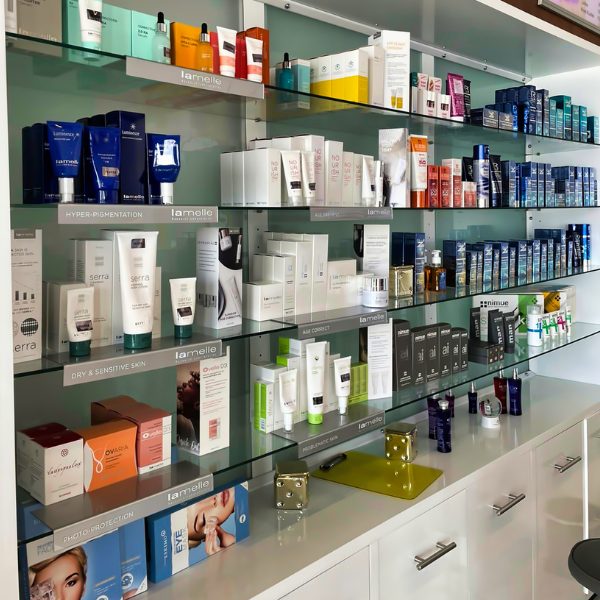
The best chemical peel for dark spots or pigmentation is either the Lamelle Beta Peel or the Nimue SRC Hyper-pigmented skin peel.

However, your therapist will be able to recommend the perfect peel for your skin concern, give you chemical peel aftercare advice and tell you the advantages of your chemical peel specific to your skin concern.

They will even give you advise on how to prepare for your chemical peel before you visit Glo.

If you do your chemical peel at home, then yes.

Due to the fact that chemical peels contain a lot of active ingredients, you need to note that a peel can only be performed by a trained professional.

However, if a chemical peel is performed by a trained therapist, you can rest assured that they know what they are doing and the treatment will be safe!

No.

We strongly advise our clients to hold off on any peels until after the baby comes and even after you are breastfeeding.

The chemicals used in the process haven’t been proven safe for baby. The only exception is a lactic acid chemical peel, which is considered okay to use during pregnancy because it’s found naturally in your body.

It also can be gentler to your sensitive skin.

Speak to a medical professional before having any peels done and advice on chemical peels while trying to conceive.

Doing a chemical peel together with microneedling is highly advisable and holds many benefits.

However, due to the intensity of both of these treatments, we strongly advise our clients to wait 2-4 weeks between these two treatments to allow your skin time to heal.

You can use it, however, we do not recommend it.

Some clients use self-tanner to cover up the redness of a chemical peel.

Although self-tanner in conjunction with a chemical peel is entirely safe, it may interfere with the effectiveness of the peel.

After your skin consultation with a therapist, they will advise you on exactly how to prepare for the specific chemical peel they have chosen for your skin concern. So it depends on which one you are getting.

Generally we ask our clients to have a clean washed face before their peel, to drink lots of water and to ensure you book your peel in a time where you don’t have a big event coming up within the next 2-3 days (Just incase of redness).

Your skin needs time to heal and breathe, so we do not recommend heavy make-up for at least 4 days after your treatment.

Things like foundation, blush and powder may interfere with the overall effectiveness of the skin peel.

So if you are looking for a chemical peel near you, look no further than the chemical peel experts themselves – Glo laser & Beauty. Having undergone intense training by both Lamelle and Nimue, our therapists are the best in the business when it comes to chemical peels.

Contact a therapist if you are still unsure about exactly what to expect from a chemical peel. Our qualified therapists will put your mind at ease and will recommend the best peel for your skin concern whether it is dark spots, wrinkles, acne or anti-ageing.

So after you see amazing results after your chemical peel, don’t forget to write a chemical peel review to help out your fellow girls and guys struggling with a specific skin concern.